The Flowerpot Forager

As it is Easter weekend, I thought that I would put up a quick garden-related post inspired by a book that I ordered from my local library in January. I originally spotted it in a bookshop while over in the UK before Christmas but I ended up buying a copy as a gift rather than one for myself. The Flowerpot Forager by Stuart Ovenden (Hardie Grant Book, 2023) happily combines two of my favourite outdoor interests, foraging and container plant gardening. The book has a UK focus but the plants discussed are all native/naturalised in Ireland too. This may yet become a genuine Landing Book Shelf title as I will probably buy my own copy in due course to add to my gardening/foraging/nature collection.

I have been browsing through the book for a while, looking for ideas for new projects to undertake. The book is beautifully presented and illustrated, a tempting book for armchair gardening on a cold winter’s evening. But now, with the sap finally rising, I have decided to be systematic and compile a shortlist of ideas for a spot of flowerpot foraging this year. I am very taken by the idea of raising plants that wouldn’t be immediately obvious choices for containers. And, I’m with the author in that much as I enjoy a spot of foraging, sometimes it can be tricky to be sure that your identification is correct or you may not have a good patch of whatever you seek close to hand.

The book is therefore mainly focussed on raising your own crops of plants more usually found in the wild, though Ovenden does offer some general advice on foraging as well. He gives instructions for growing thirty plants from seed or cuttings, as well as examples of culinary uses for your crops. I have been busy with scraps of paper (no hi-tech here) marking a few plants that I want to try. I was able to rule out borage and watercress as I grew those for the first time in the last year or two as container plants.

In the end I came up with a list of eight gardening-foraging subjects for my future attention. I was pleased to see Ransoms mentioned as I bought a packet of seeds before Christmas. Rather disappointingly however, Ovenden says that if growing from seeds, you may have to wait a year or two to obtain a substantial crop. He recommends digging up some bulbs from the wild (with the appropriate permissions) or buying bulbs from a supplier. Well, as I like a gardening challenge, I suppose that I will stick with my seeds and see what happens. Patience will be the ingredient most required I feel.

Apart from Ransoms, I have a list of possibles comprising, Elder, Bramble, Chickweed, Dog Rose, Alexanders, Pink Clover and Meadowsweet to be going on with this year. I am not too sure about the idea of raising Stinging Nettle in a pot, although I have previously foraged for leaf tips and made soup (perhaps not surprisingly this was a pandemic pursuit along with banana bread making). And, I will need some persuading to cultivate dandelions in my patio pots as they are already prone to pop up elsewhere without much encouragement. One plant project that I have mentally put on a To Do List for now is that of growing Marsh Samphire from seed. I am intrigued by the possibility so that is something that I would like to try in the future.

A nice bonus in the book is a recipe or two for using each plant to get you started on using your foraged crops. I am very tempted by the recipe for Alexanders Seed & Orange Beignets, which look absolutely delicious. First, grow your plants (or forage your seeds), as Mrs Beeton might have said…
Nature on The Landing: Bird Feeders

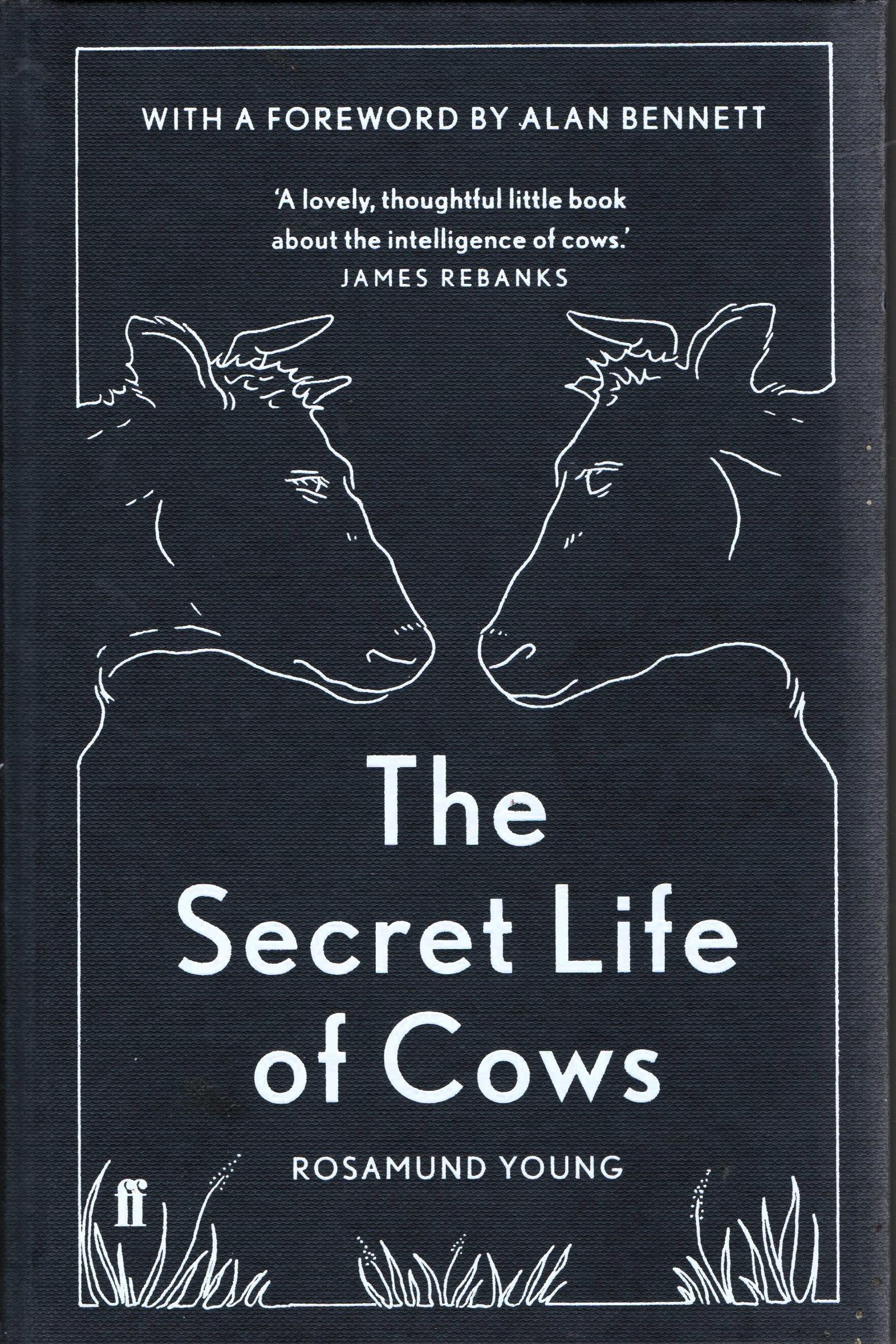
As the weather is still tending to be generally less than springlike, I thought that I would revisit my attempts at making fat cakes for our garden bird population. I first had a go at making some back in 2018, inspired by a section in a book that I have on The Landing called The Secret Life of Cows by Rosamund Young. Originally this rather sticky activity featured in a post on the craft blog that I used to write with The Bookworm called, Curiously, Creatively. I thought that I would disinter that post from February 2018 and reprint it here (slightly edited) in case you would like to have a go yourselves. All I need to do now is to find some foolproof way of ensuring that the magpies, crows and seagulls (not to mention acrobatic squirrels) don’t charge in and savage the treats before the robins and bluetits get a look-in. Any thoughts?

I will just add that this year the birds have peanuts instead of cashew nuts, but I doubt that they will complain too much. I made cakes in mini plant pots and plan to string them up in a holly tree, which is a favoured bluetit haunt in this garden. What I failed to make allowance for was the determination of an acrobatic squirrel making inroads into the bird feed. I tried to film the little critter but couldn’t get a good enough shot. Anyway, it was very entertaining to watch.

That’s all this time, from nature-watch on The Landing Bookshelves!

The Garden Diary Re-visited

As we are almost at the end of May, I have decided that it is time for another Garden Diary post, having not ventured from The Landing region to the sunny uplands for ages. The Garden Diary (now into volume III) lives in the kitchen rather than on the Landing but as you know, technicalities of book location tend not to weigh too heavily hereabouts. The three volumes live on The Landing in spirit as it were, being something of an heirloom already and probably as dusty.

Since June 2021 (according to the note on the first page) I have been using a splendid new leather-bound notebook, a Christmas gift from a previous year. The cover is a lovely dark green, stitched around the edge; the front cover is decorated with an embossed image of a Green Man. Unlined pages of a thick creamy-white paper are stitched in five signatures. It arrived in its own cotton bag, so for a quite a while I was terrified that nothing would be good enough to write in it.

In June and July 2021, I am sure that I did have various horticultural activities, but nothing made it into the diary and I picked up the threads of the diary once more on 29 August. As I have mentioned before, I try to write up notes on what I have sown, transplanted, re-potted etc. I do generally ‘fess up to the failures in the interests of full disclosure to my future self. I enjoy keeping up the diary, although as you can see, I do fall beside the way sometimes and may let weeks or even months go by without making a note of my horticultural activities. I enjoy taking photos for the diary, attempting to document my garden progress. Houseplants occasionally get a look-in too.

I have also been trying to record the wild flowers that I have identified in the garden. Some are easier than others (think dandelion or daisy), while others have required the consulting of wildflower guides. Not to mention the use of a magnifying glass on tiny specimens. I am up to about twenty-six varieties of wildflowers recorded in my trusty diary. I think that the discoveries that delighted me the most were finding cowslip and ox-eye daisy in the grass. Along with red clover and creeping buttercup, the ox-eye daisies create a real meadow-like scene in the garden. I was particularly pleased that I was able to identify a plant called self-heal last summer with the aid of wildflower guides. I am far from being a specialist, so it is a true delight to be able to claim that I have successfully identified a flower (and for it to be happily living in my garden).

I have a handy guide, A Beginner’s Guide to Ireland’s Wild Flowers (Sherkin Island Marine Station) that I bought a few years ago at Magpie Books in Enniskerry (sadly no longer extant). I also use Zoё Devlin’s Wildflowers of Ireland website for identification. She has now published a wildflower guide which I have not yet got around to buying. My newest identification from the website has been a Lesser Hawkbit (see photo). All finds will duly go into the Garden Diary for posterity.

Now as it’s a sunny day, I am heading off outside with my diary!

From Landing to Garden: Sunflowers and The Pip Book:

close-up of a sunflower

Home grown sunflower

As a heavy rain shower has just stopped play (or rather work) in the garden I now sit diligently in front of my computer waiting for inspiration to strike. At the same time, I am endeavouring to keep one eye on the kitchen window to see what the weather is up to now. If however the sunshine does break through again, I will have to dash back to the lawn mower leaving you to carry on regardless. In the meantime a smidgen of writerly inspiration has struck The Landing regions so I will devote this post to a garden theme.

This flurry of garden activity has reminded me of the garden diary that I have been keeping intermittently for around twenty years. The diary now in fact has spawned a sequel co-written by The Bookworm. However, I doubt whether our efforts at a garden diary will ever be published and attain legendary status among future generations of gardeners. Nevertheless it will serve a purpose as a piece of family history as will the pictorial evidence (shown here) that we did once manage to grow a substantial sized sunflower. I am sure that Gertrude Jekyll and Vita Sackville-West would not be overly impressed but it was a first for us.

My (or rather our diary) contains notes of what has been planted when and where and is copiously illustrated with pictures from seed packets. Also it tends to note the rather frequent occurrence of cases of seed non-germination and slug depredations in the flower and vegetable borders. When I first started the diary I lived in a small flat so the entries were all about houseplants. Looking back through the pages I realise just how many plants I used to have. I wonder how there was room for anything else in such a domestic jungle. At the beginning of 1993 the grand plant total was thirty-two plus a variety of herbs.

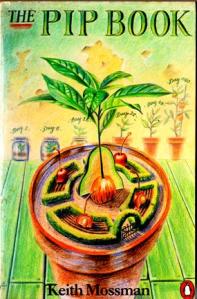
Cover of The Pip Book with an avocado plant.

Mine didn’t look like that…

You might be surprised to hear that my library of gardening books is not (and never has been) very extensive. The sum total is four volumes, including one very small paperback book called The Pip Book by Keith Mossman which tells you about growing plants from almost any variety of fruit you can think of trying. I first came across this book when I was working in a bookshop in Birmingham several years ago and ordered a copy. According to a diary entry for 27th May 1994 I had recently bought this and another (un-named) gardening book. It is a great book full of helpful advice and I have tried growing several varieties of seeds and stones as a result. I have to confess though, that despite Keith Mossman’s book I have never yet had great success with avocados.

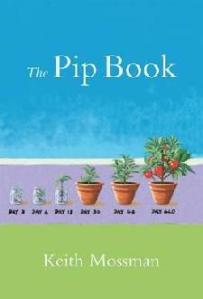
The illustration below is of a more recent edition from 2011 and I assume the book has been revised but even if it has not it would be well worth buying if you enjoy a growing challenge.

cover of the Pip Book with plants in pots

More Gardening Inspiration..

Now I really must show willing and get back to the lawn mowing (though that topic isn’t covered in The Pip Book) before it rains…

ps: Feel free to boast about any gardening successes in the comment box below: